What felt like creating turned out to be doomscrolling.
I vibe coded what I wanted, but I didn’t feel good like I used to.

I’m actually not really writing this for you. I’m writing it for myself, because writing things down is how I work through my thoughts, and I’ve been thinking about this for some time. I’m publishing it, so maybe it helps you reflect too.
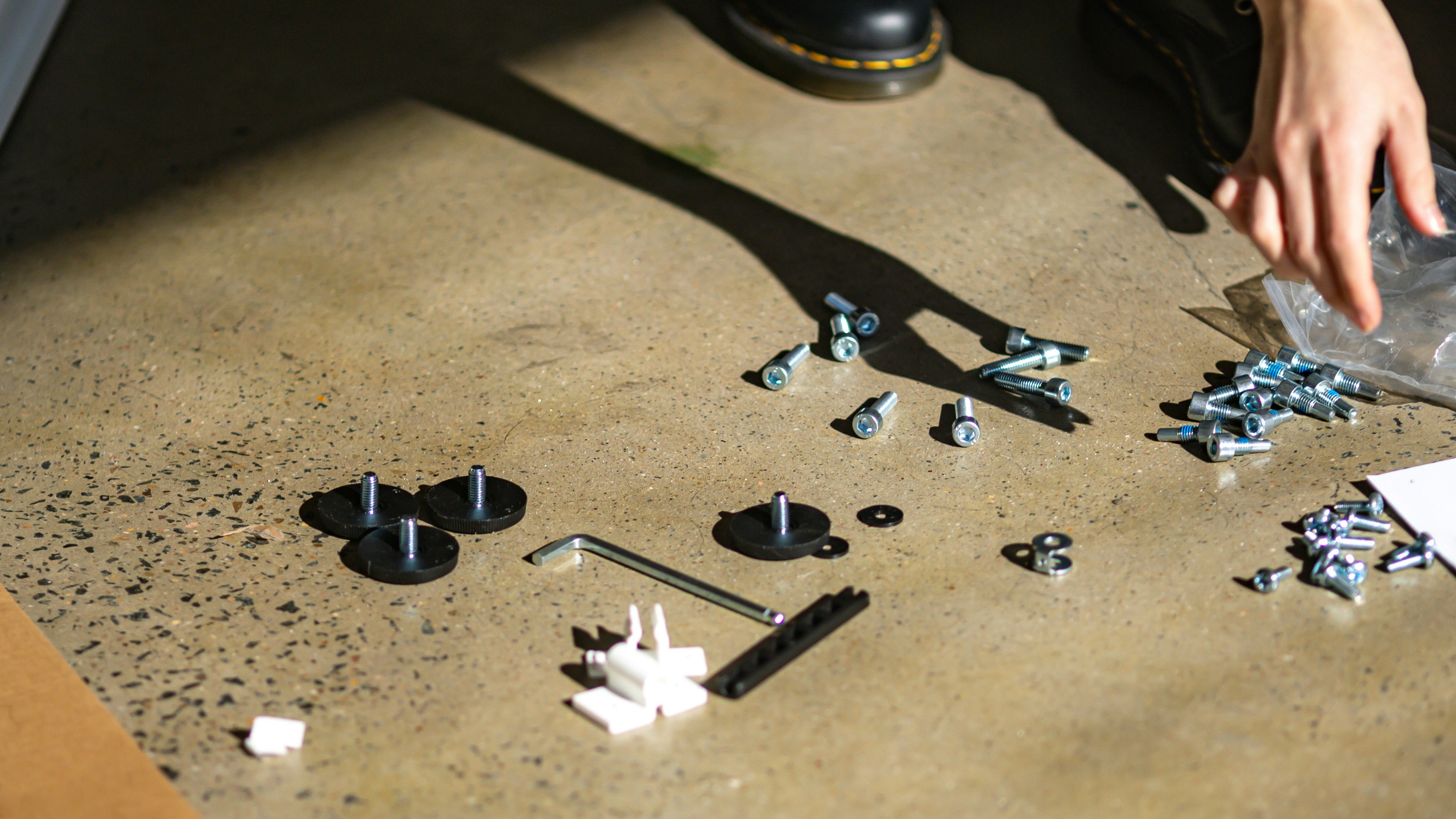
Creating versus consuming
I work better when I create than when I consume. Creating is where I get energy. I love getting in the flow; making music or sketching leaves me with more energy than scrolling my phone. When doomscrolling takes hold of my day, I don’t feel good at the end of it. I do like to get inspiration, see random things other people make, see the world react to the same things I’m seeing. But as soon as I let the outside in more than I create my own things, I start to feel off.
Ever since my student days, I like creating little digital art pieces. I’m a designer, so code is not my first language, but it can be the best to express my craft in. That used to mean hours on Stack Overflow, testing things that didn’t work, slowly figuring out what to do. The code was never good by any standard. Their quality was in the fact that they worked at all, and that I had gotten there myself.
The missing reward
Like everyone and their uncle, I’ve been vibe coding. Describe what I want, wait, have a working thing. I’ve created more lines of code in the past 6 months than in the rest of my life, but lately I’ve been realizing that it’s hollow creation.
There is a lot of talk about skill atrophy: we stop doing things by hand and lose the ability to do them by hand. That’s kind of a no-brainer, and actually not what bothers me. What does bother me is that my reward is gone. The dopamine of having worked for something: being stuck for hours (or days, let’s be honest). And then that small click I feel when I finally get how to make it work. There’s even research into this: it turns out people value what they build with their own hands more than what they buy. Psychologists have a name for it: the IKEA effect. It also showed up more recently in an MIT study about AI assisted writing, where people who wrote essays with an assistance of an AI reported the least feeling of ownership of their own text and couldn’t even quote it minutes later.
To me, vibe coding feels like doomscrolling impersonating creation. The time that I used to spend figuring things out, I now spend scrolling Youtube while I wait for Claude to finish doodling.
But it goes deeper than just waiting. Chatting with AI itself runs on the wrong energy: I feel like I’m creating something, but the energy my mind uses is the one of consumption. Pull the slot machine arm, see what it has made, type some more, pull again. Guiding the slot machine is more draining than it is rewarding, especially when I sweat the details. Yes, there is dopamine in it, but it’s the gambling kind. It’s about anticipation of what I might get, not the reward for what I made. I’ve heard people phrase it as: “It’s like having a robot do my gym exercises”. Forget the health effects for a moment; you also don’t get the workout high.
We designed the friction away
You could argue that I’m using the tools wrong. I could use an LLM in the same way that I would use Stack Overflow: ask it questions on how to solve problems, rather than letting it take the wheel. I’d argue that this is getting harder, and the tools make sure of it. They’re built like an impatient computer class teacher who grabs the mouse because you’re taking too long.
Ask it a question on how to do something simple and it builds you a full prototype. You get way more than you bargained for, and what’s the use in trying it yourself, if you already have a ‘finished’ thing in front of you? The tools have been trained to be helpful, if helpful is defined as just doing it for you.
As a designer, I’ve been part of removing friction from applications, and I understand how AI companies got here. For a long time, friction was rightly the enemy: computers got in our way, processes were convoluted, and it felt more like working a computer than getting things done. But I think there is a right amount of friction, and AI companies just shot past it.
Putting the friction back
I don’t think AI tooling is going to change from it’s current trajectory soon. I guess what’s left is choosing different tools rather than disciplining myself around the current ones. I’m not even sure how much I can actually stick to this, it’s just a feeling I have.
Maybe this is the same nostalgia every generation has for the harder version of their craft. But I know my feelings about this are real, and creating used to be a lot more rewarding.
Confession
Yes: while writing this article, I vibe coded a tool that shows you which parts of a text you wrote yourself and which parts came from AI. Prompts were made, tokens moved back and forth. Sure, the result works, but it isn’t worth talking about. A tool for visualizing ownership that I feel no ownership of.
completely agree